We are increasingly concerned about what we eat and where it comes from, making direct contact between the consumer and the livestock farmer more essential than ever. Organic meat—despite high demand—is not merely a trend; it represents a way of eating.
Indeed, consuming organic or pasture-raised meat is the healthiest way to eat meat, as well as the most environmentally friendly.
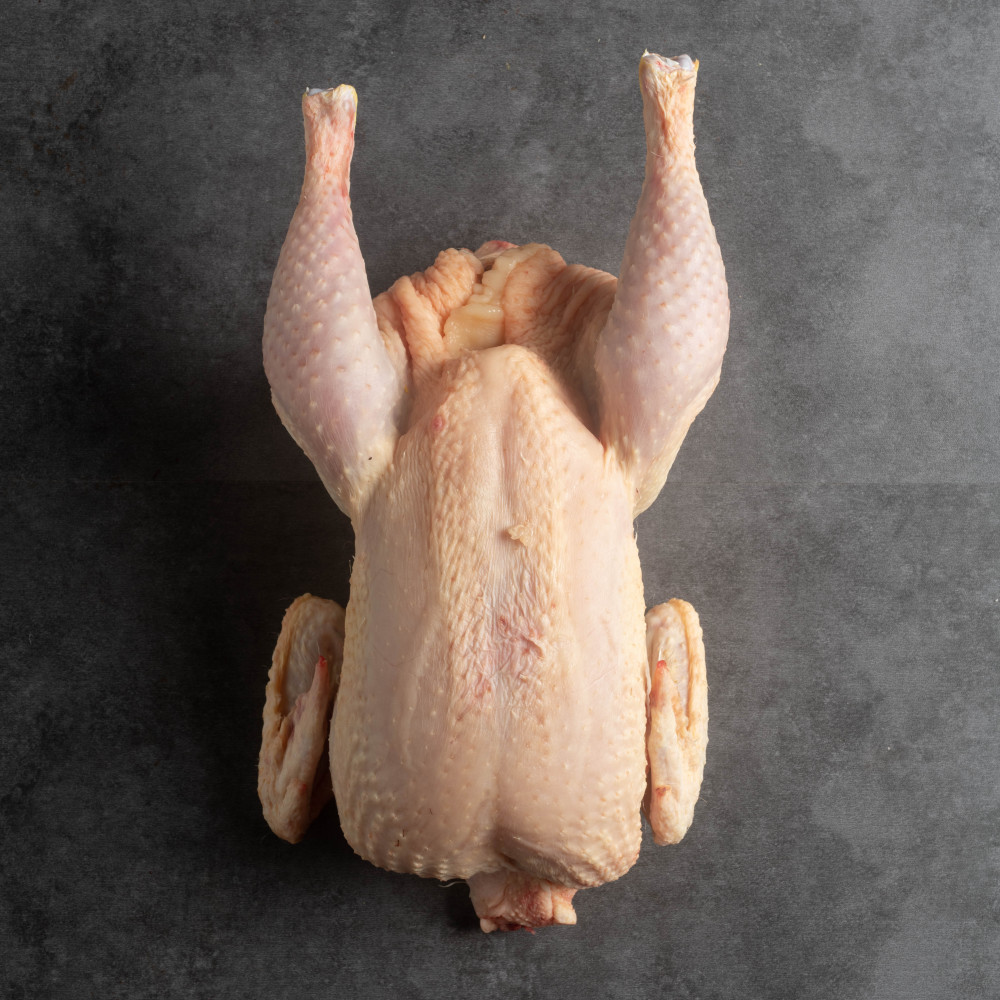
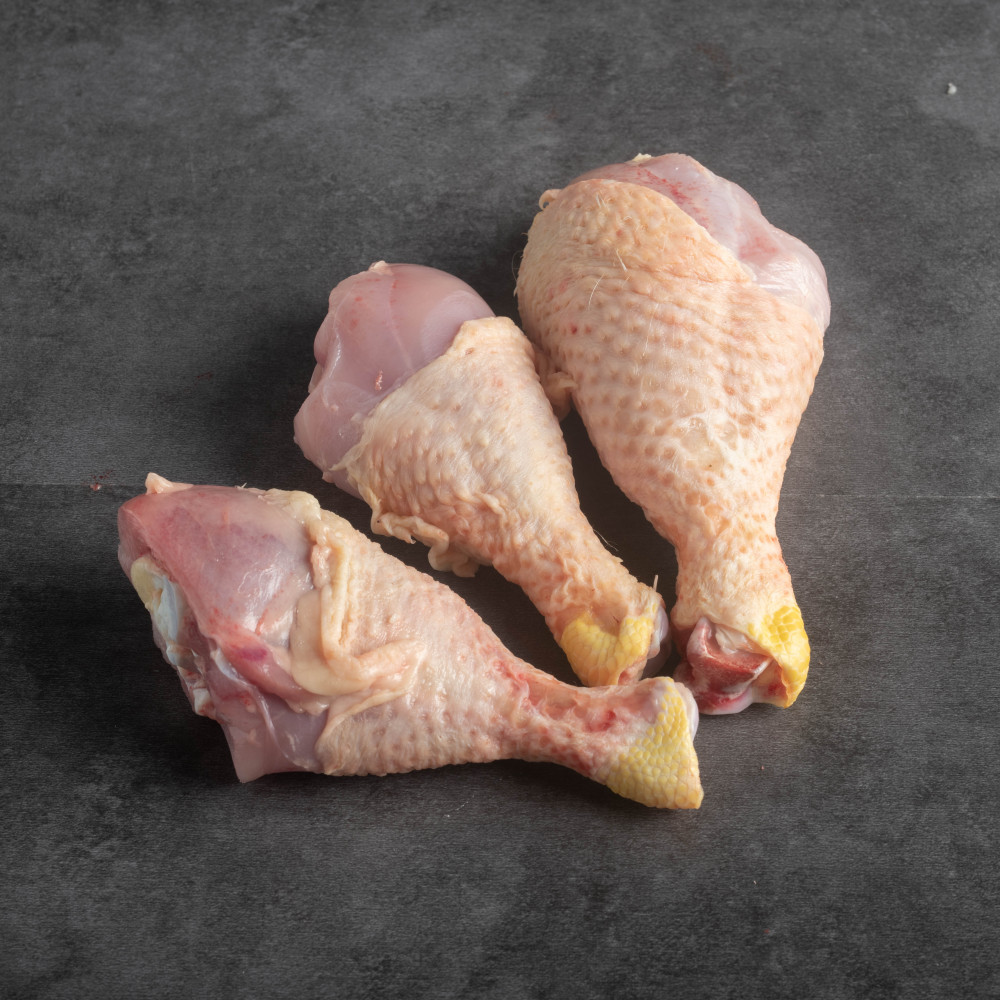
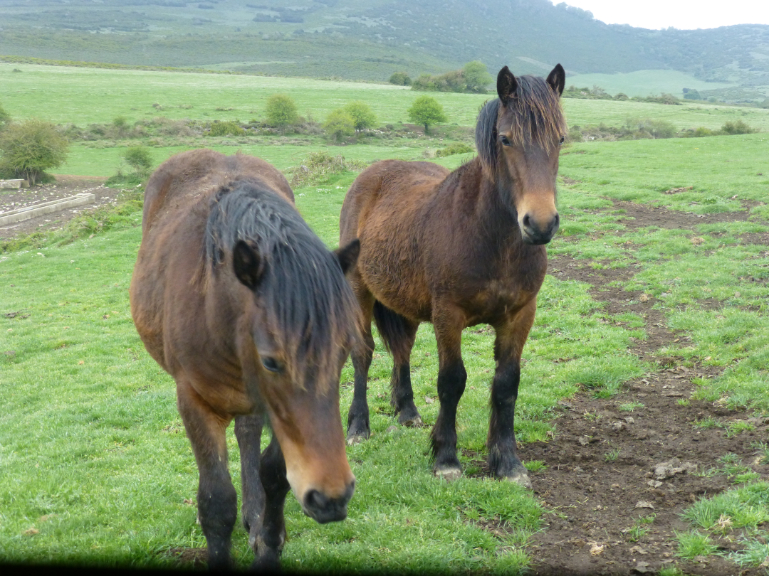
It is about aligning our diet with our values. We are increasingly seeking to nourish ourselves as naturally as possible—free from the chemicals and medications used in mass production that compromise the quality and flavor of the food on our tables. Choosing organic chicken or foal meat is one of the best ways to look after your diet.
Furthermore, there is a growing awareness regarding our impact on the planet and how we coexist with it. As a society, we are tired of witnessing the living conditions of the animals we eat and the mistreatment they endure in the pursuit of maximizing meat production at the lowest possible cost. This is why organic meat has seen a massive surge in popularity in recent years and is poised to become a dominant method of consuming animal products in the near future.
What is organic meat?
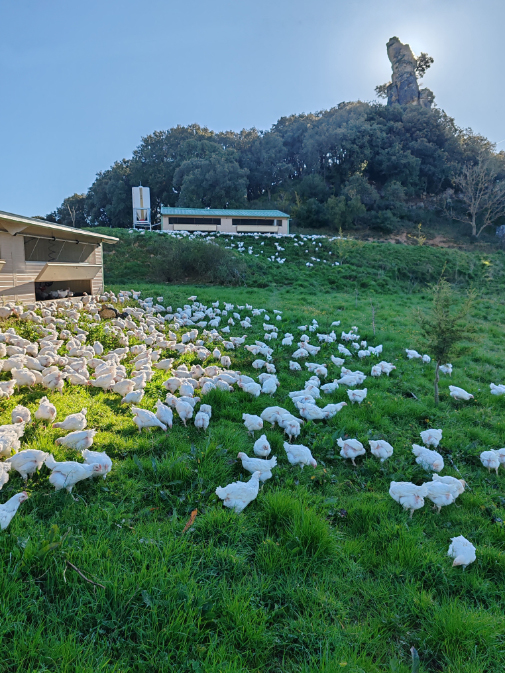
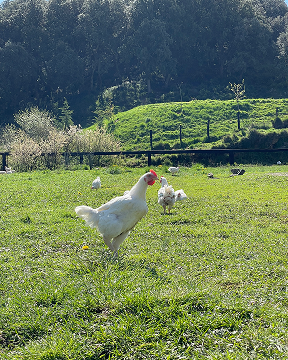
Organic meat comes from animals raised on a farm where the land has been free of insecticides, pesticides, and chemicals for the past three years. Furthermore, the animals must be fed a diet based on certified organic products while living in an outdoor environment.
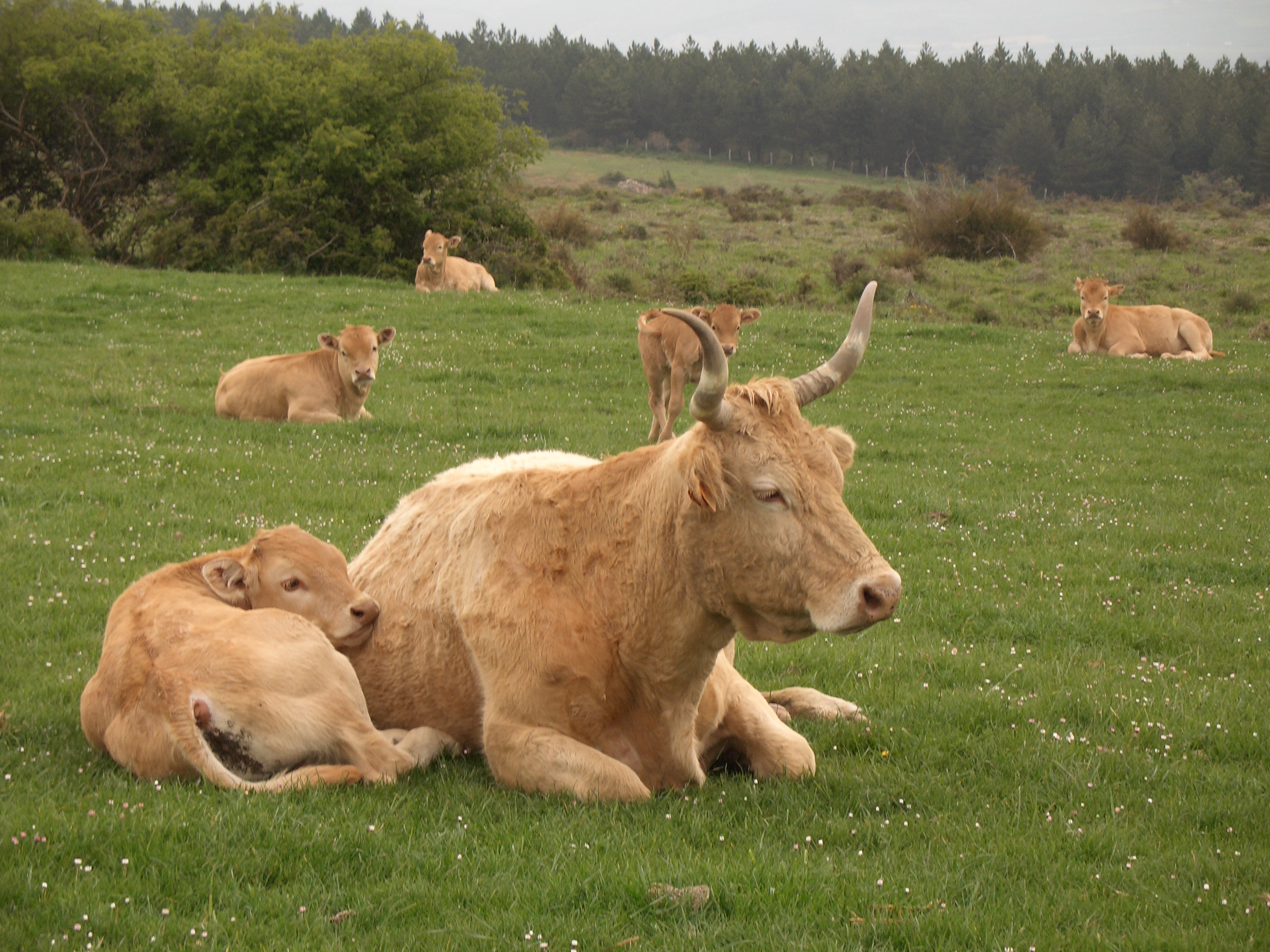
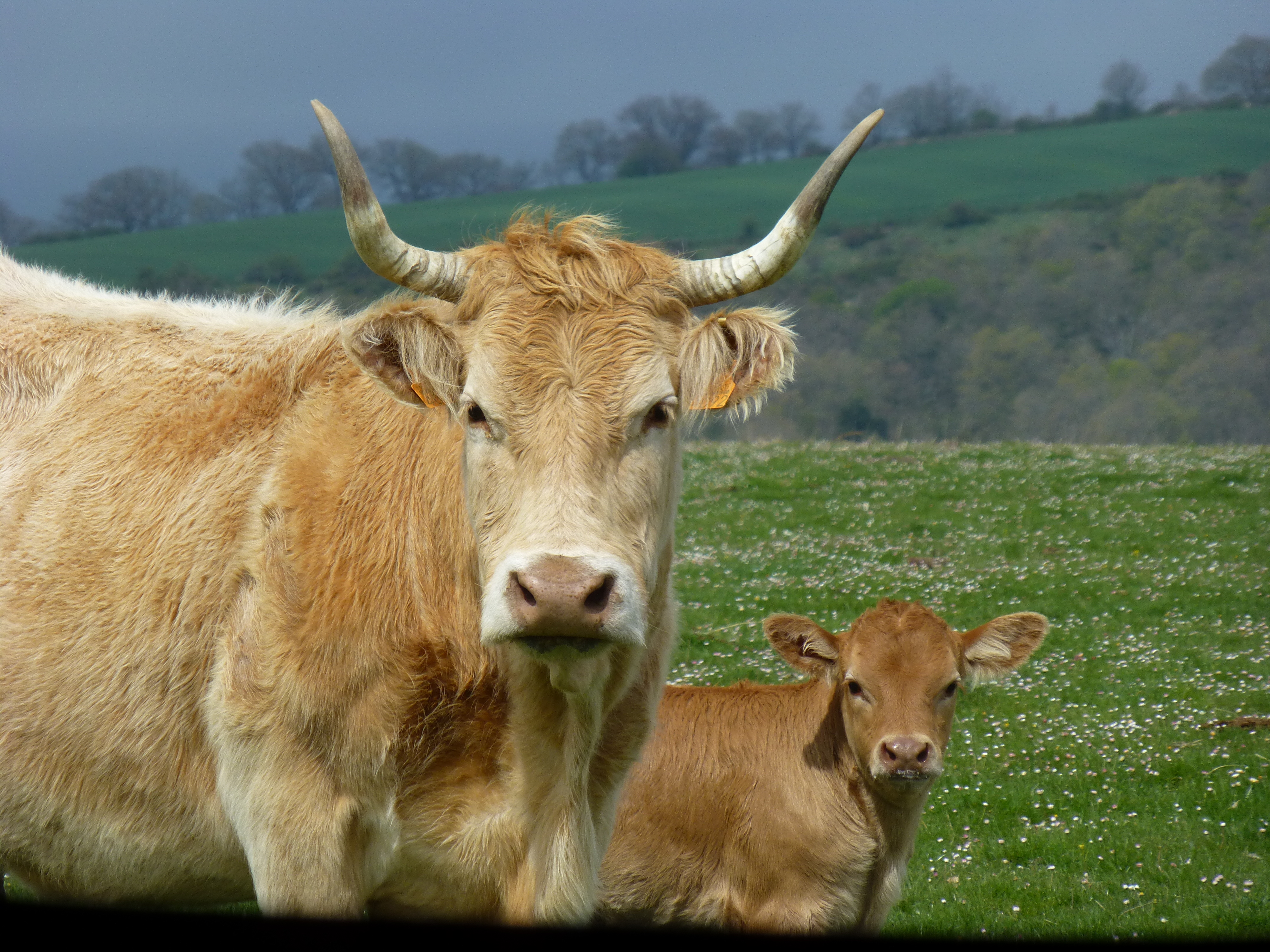
This is the traditional method of raising livestock—the way it has been done since the very beginning of animal husbandry. It is also the method we use to raise our calves.
In keeping with a chemical-free approach—avoiding substances harmful to the animals' growth and well-being—no medications or antibiotics are used, even if treatment for an illness becomes necessary.
Naturally, the retail outlet selling the meat and the slaughterhouse must also meet specific requirements to ensure full traceability and preserve the meat's organic integrity.
How do I know it's really organic meat?
Currently, the only available option is the Organic Farming label, which guarantees the production of organic products—including specific provisions for animal husbandry and the production of derived food products.
This label is a European Union certification guaranteeing that the product meets the following standards:
- The animals must be fed 100% organic feed.
- The feed given to the animals must come from the same farm where the animals are kept.
- The cloning of animals or embryos is strictly prohibited.
- Mammalian offspring must be fed exclusively on natural milk, preferably their mother's.
- Natural breeding methods must be used, although artificial insemination is permitted.











.png)
.png)

.jpg)
.png)


